
Services
Agarwood Farming
Farming Process
- Aquilaria trees are planted in tropical and subtropical climates.
- Artificial inoculation introduces a specific fungus to stimulate agarwood resin formation.
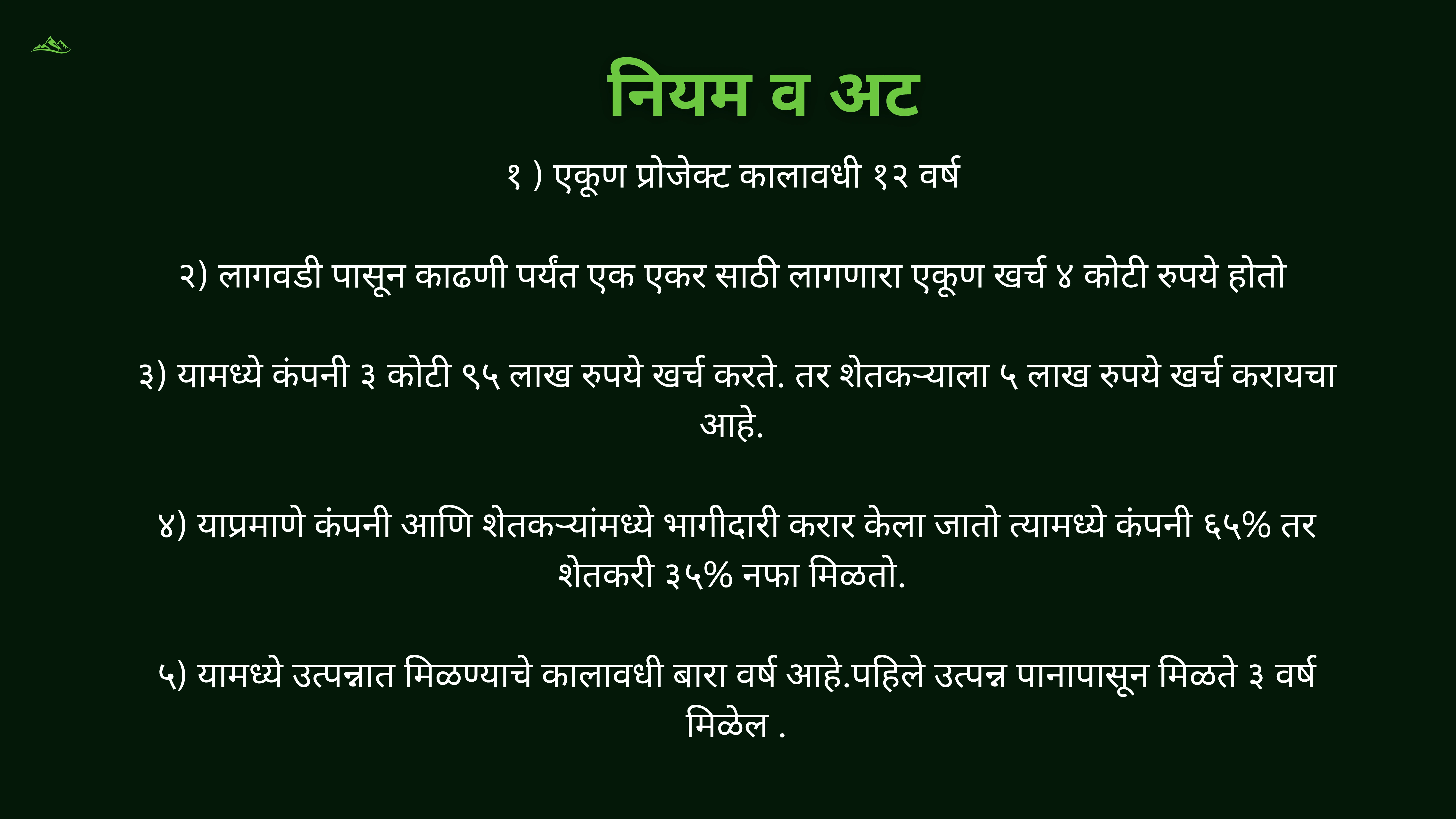
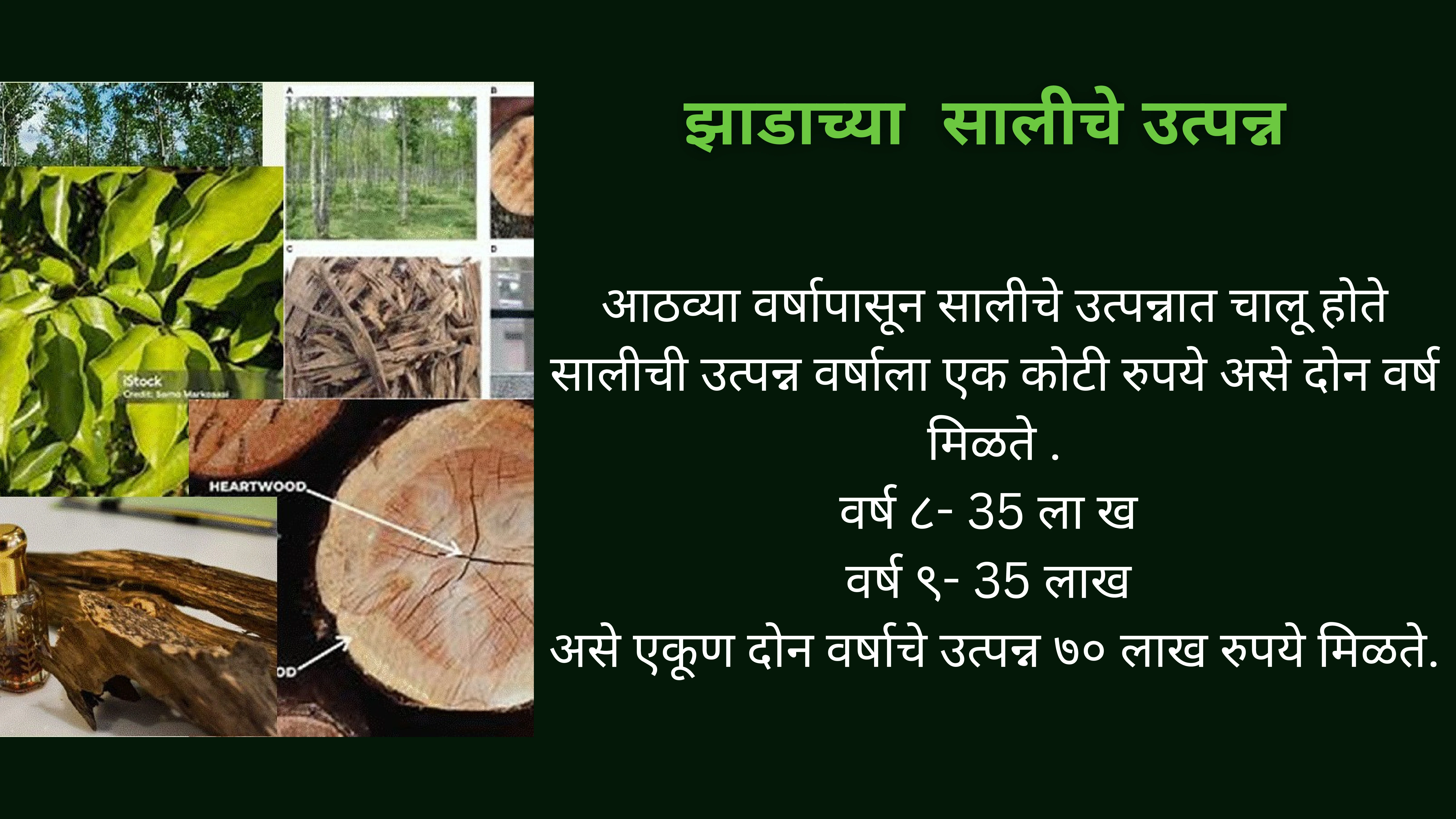
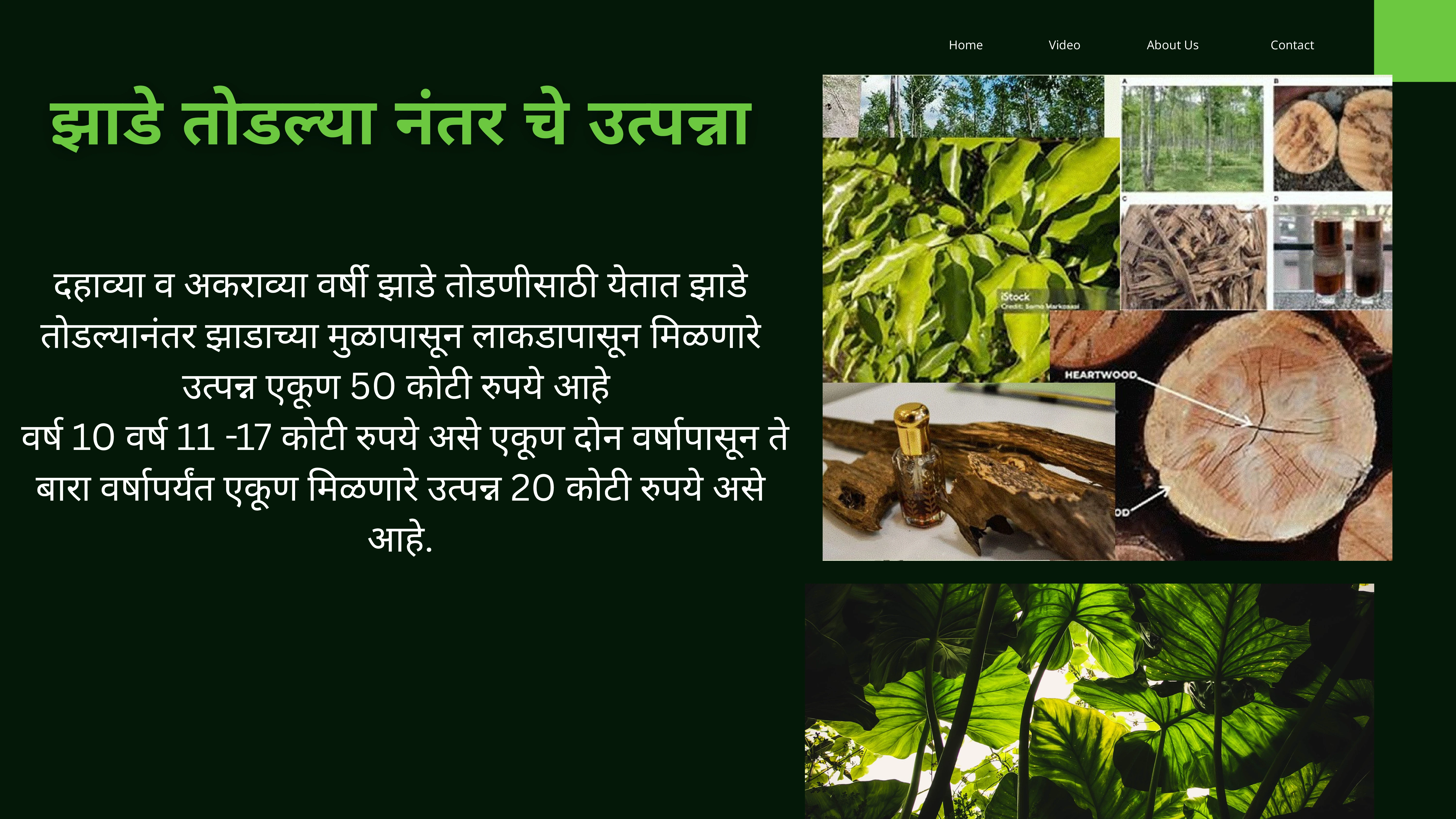
- Harvesting occurs after 7 to 10 years or more; wood is graded or distilled for oil.
- Best practices: high humidity, good rainfall, well-drained soil, consistent temperatures, ~500 trees/acre.
- Sustainability: Artificial inoculation enables a predictable, sustainable supply.
Benefits of Agarwood Farming
- Economic: High value, high profit potential (crores per acre).
- Environmental: Carbon sequestration, soil protection, biodiversity support.
- Social: Employment and livelihood for farmers and communities.
Benefits of Agarwood Itself
- Medicinal: Used in traditional medicine for asthma, diarrhea, rheumatism, digestive issues, pain.
- Psychological: Agarwood oil reduces stress, anxiety, and depression (aromatherapy).
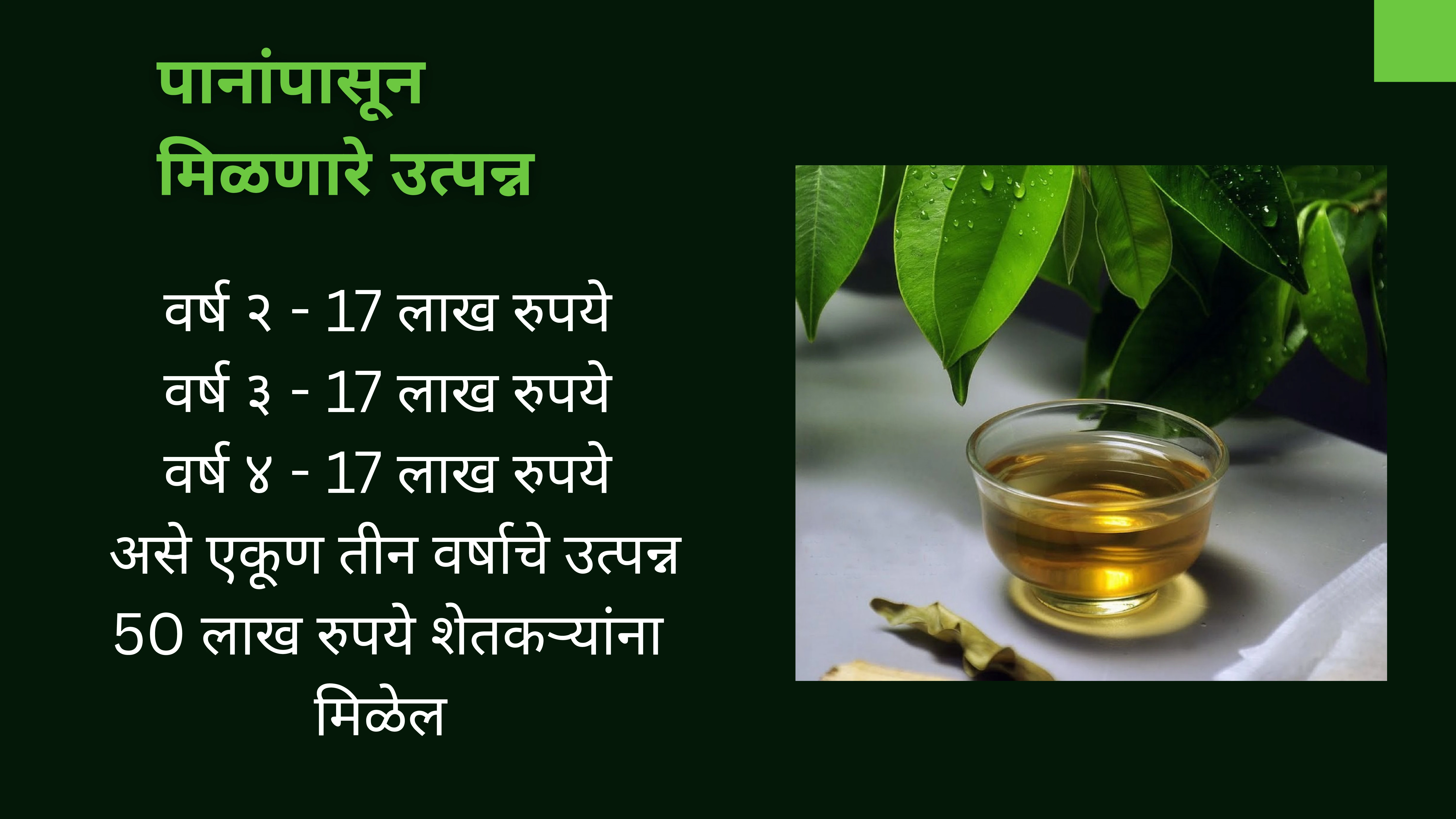
- Cultural & Industrial: Used in luxury perfumes, incense, paper, and tea.
Income Potential
Potential Earnings Per Acre
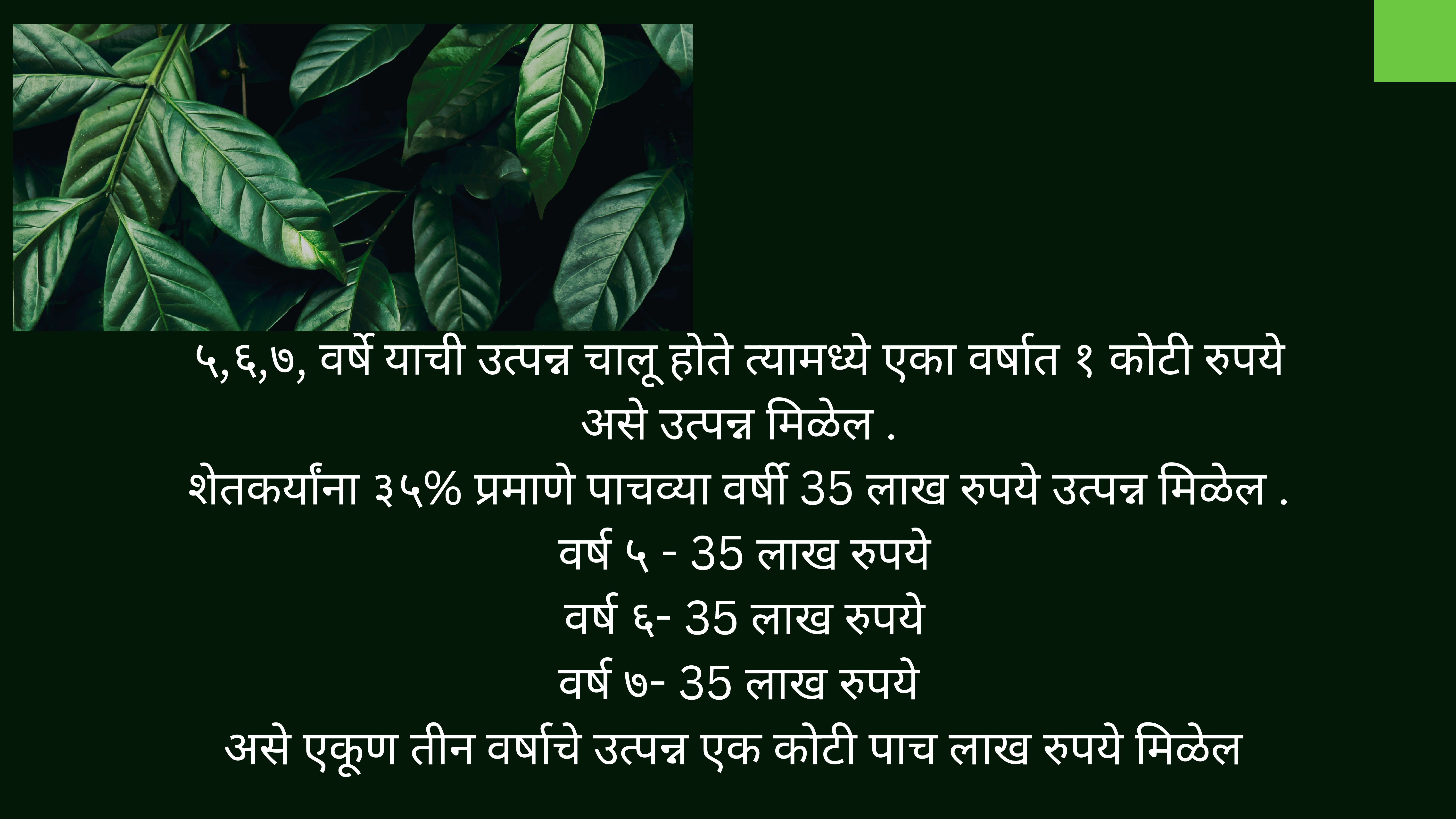
An acre can hold around 500 trees. With each tree potentially yielding 2-3 kg of resin and a price of ₹5 lakh to ₹20 lakh+ per kg, a farmer could potentially earn crores from a single harvest cycle, according to a YouTube video.
Market Volatility
It is crucial to be aware that the market for agarwood can be volatile, with prices fluctuating based on supply and demand.
Recent Posts